
Tree care blog
Cottony ash psyllid on black and Manchurian ash
By Parkland Tree CarePublished Updated
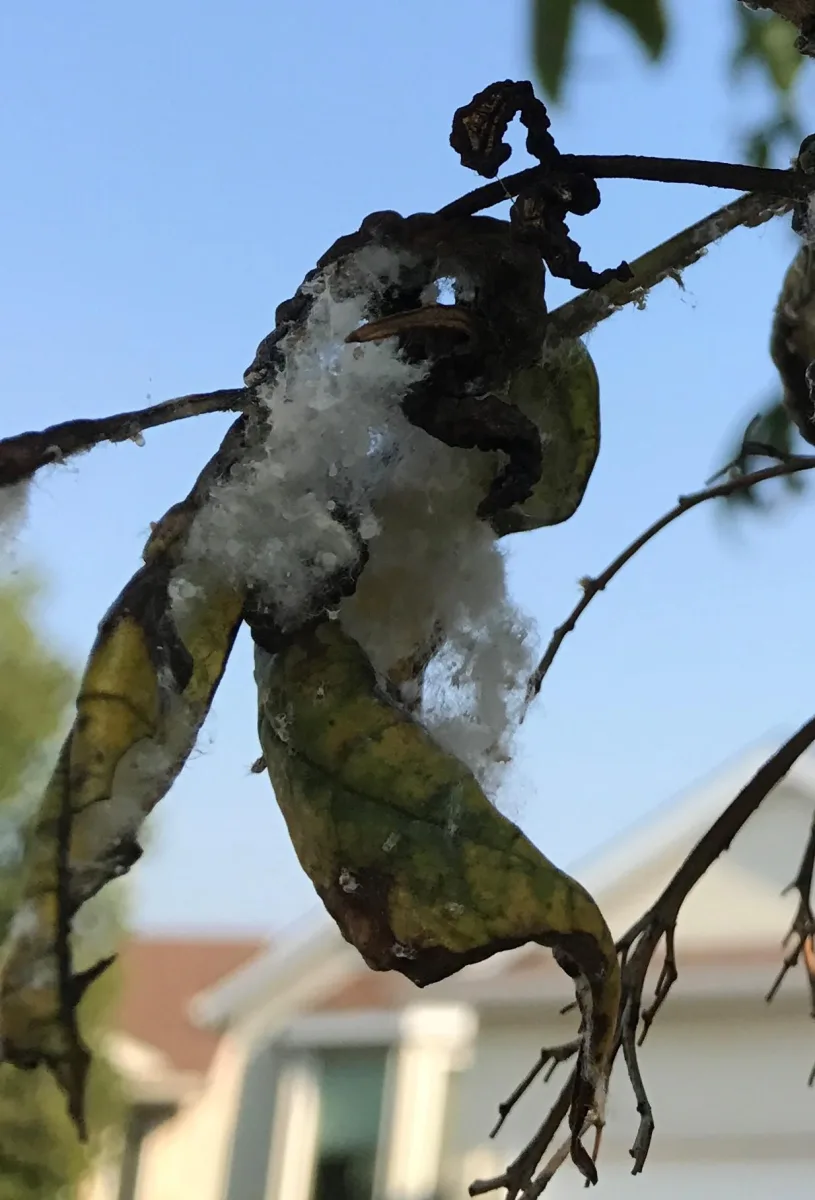
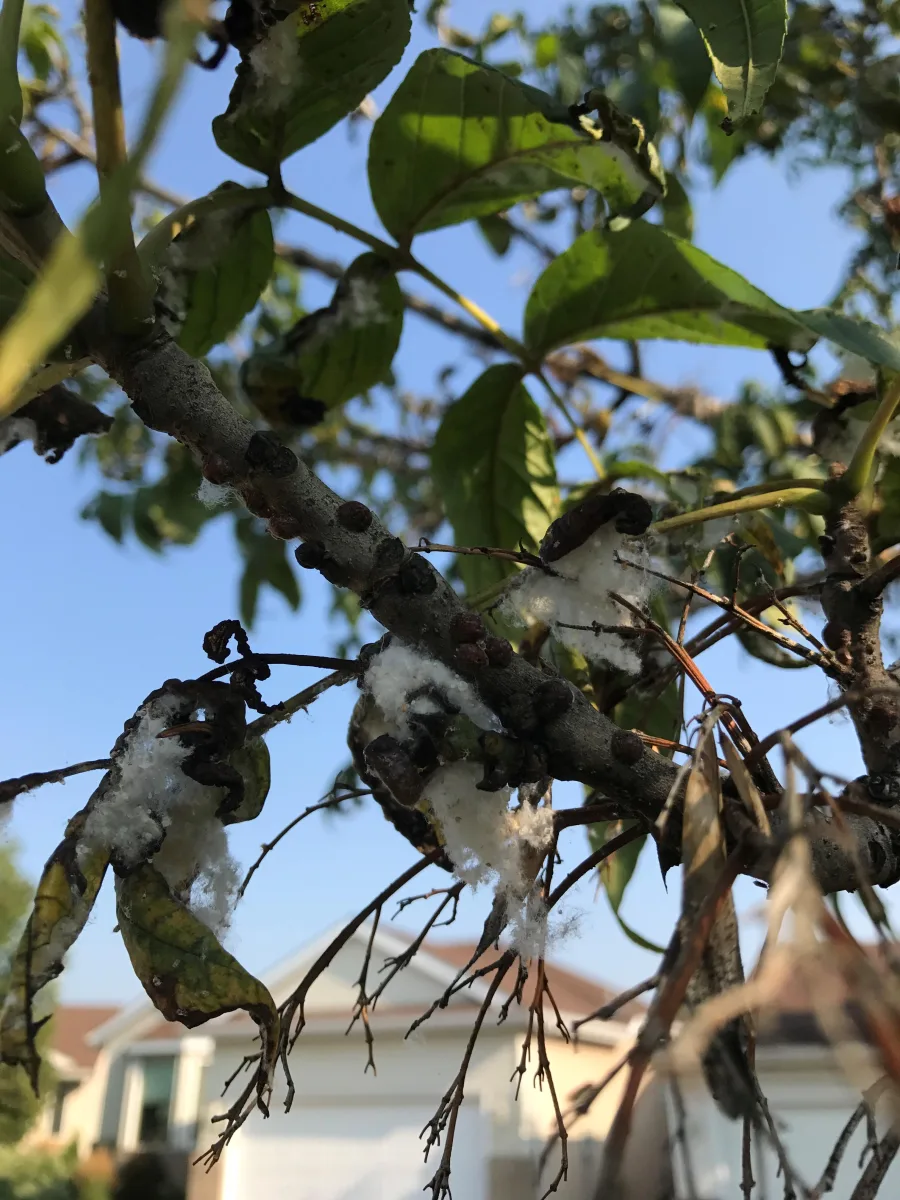
Curled, browning leaves and white cottony material on an ash tree can be signs of cottony ash psyllid. This small sap-feeding insect affects black and Manchurian ash and has caused serious problems in Winnipeg and other Manitoba communities.
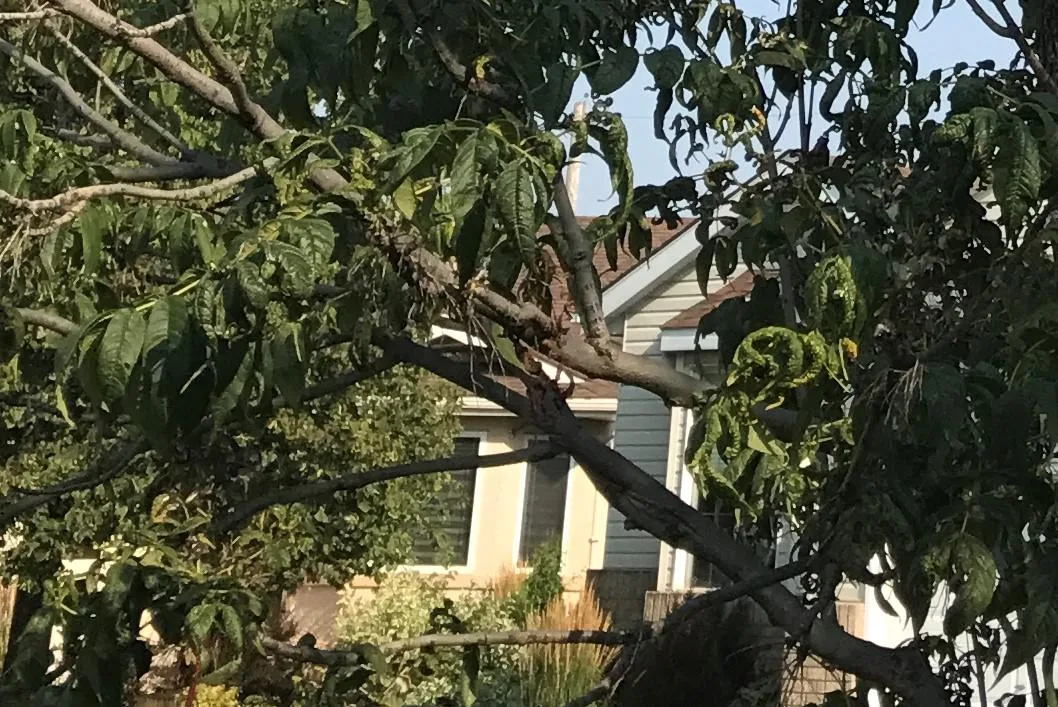
Look at the leaves as well as the overall crown. Affected leaves may become distorted, fold in on themselves, and develop a cottony appearance inside the curled tissue. Severe or repeated damage can leave the crown thin and the tree looking very unwell.
Cottony ash psyllid and emerald ash borer are different pests. They affect ash trees in different ways, so identifying both the tree and the cause of its decline matters before deciding what to do.
There isn't a simple treatment that reliably resolves every psyllid infestation. Current local guidance emphasizes reducing other stress through suitable watering, mulch, and appropriate care. Some trees may recover if the infestation is not severe. A declining tree should be assessed on its condition rather than assumed to need removal straight away.
If you've noticed these symptoms, an arborist can help confirm the problem and discuss the tree's prospects. Where the tree has declined badly or developed structural problems, removal may still be the sensible option. The photographs show the leaf damage and cottony material that prompted the original post.
Keep exploring